
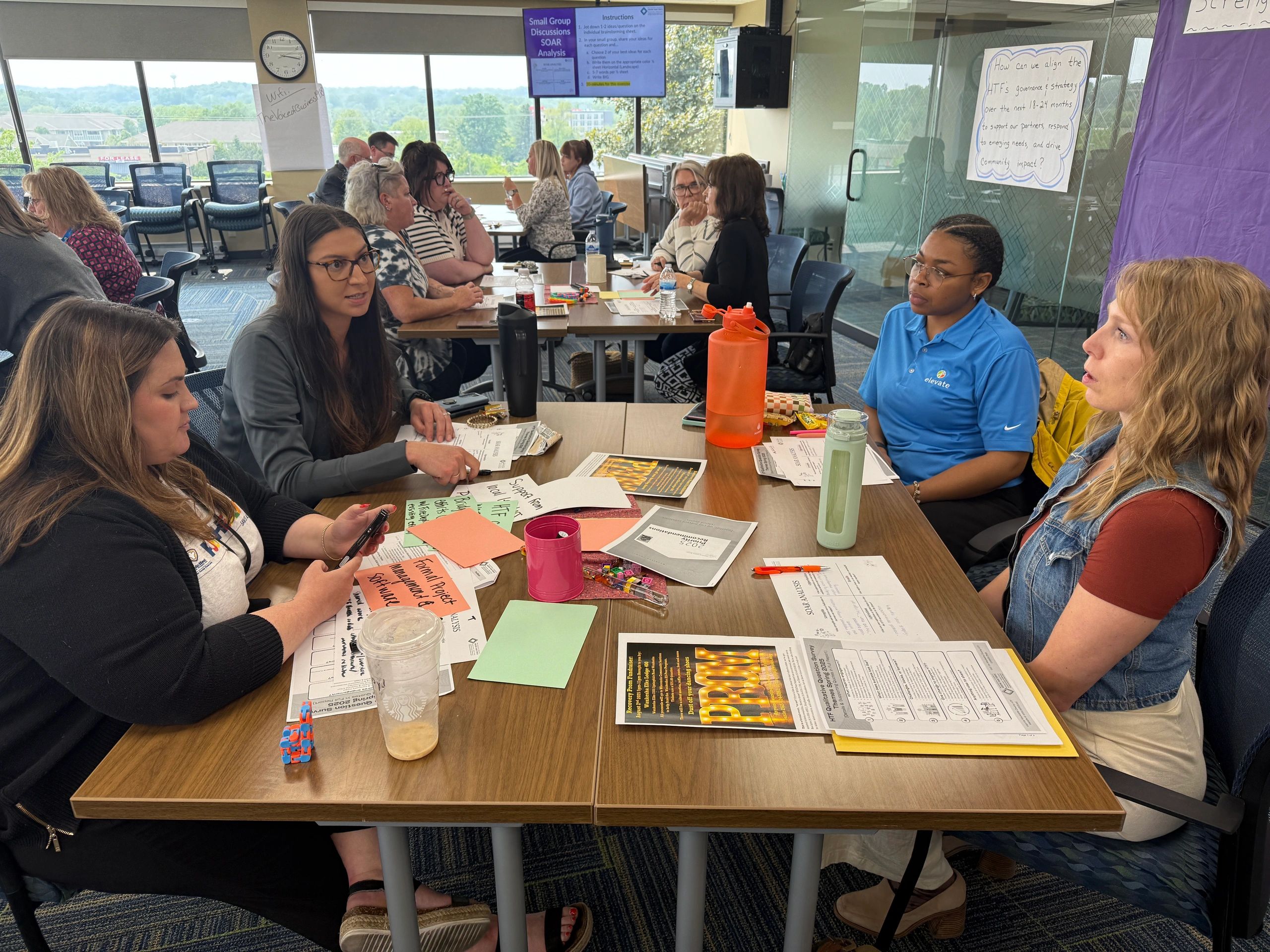
metrics & measurement team
Create a culture of data-driven decision-making and improve the accuracy, transparency, and effectiveness of substance
use and overdose prevention initiatives.
Action Team Highlights
Launched a survey to better understand the needs of individuals currently using substances and those in recovery
Engaged the impacted community to ensure resources, information, and interventions are responsive and relevant
Identifying which resources are being used, which are needed, and where gaps exist
Generating a unique dataset to inform future service development and resource placement decisions
Anticipated findings in 2026, with potential to guide planning and system-level improvements
What the Team Does
Develop and deliver SUAC training on data literacy, data governance, privacy, and success metrics
Gather input to define shared metrics aligned with SUAC priorities and establish processes for baseline, ongoing, and accessible data
Support action teams with guidance, resources, and data tools to identify priority populations, implement strategies, and track progress
Build a data-driven culture to improve accuracy, transparency, and effectiveness of prevention efforts
Substance Use Action Team
CHIP - Community Health Improvement Plan
Identifying opportunities through partnership to support system-level change.
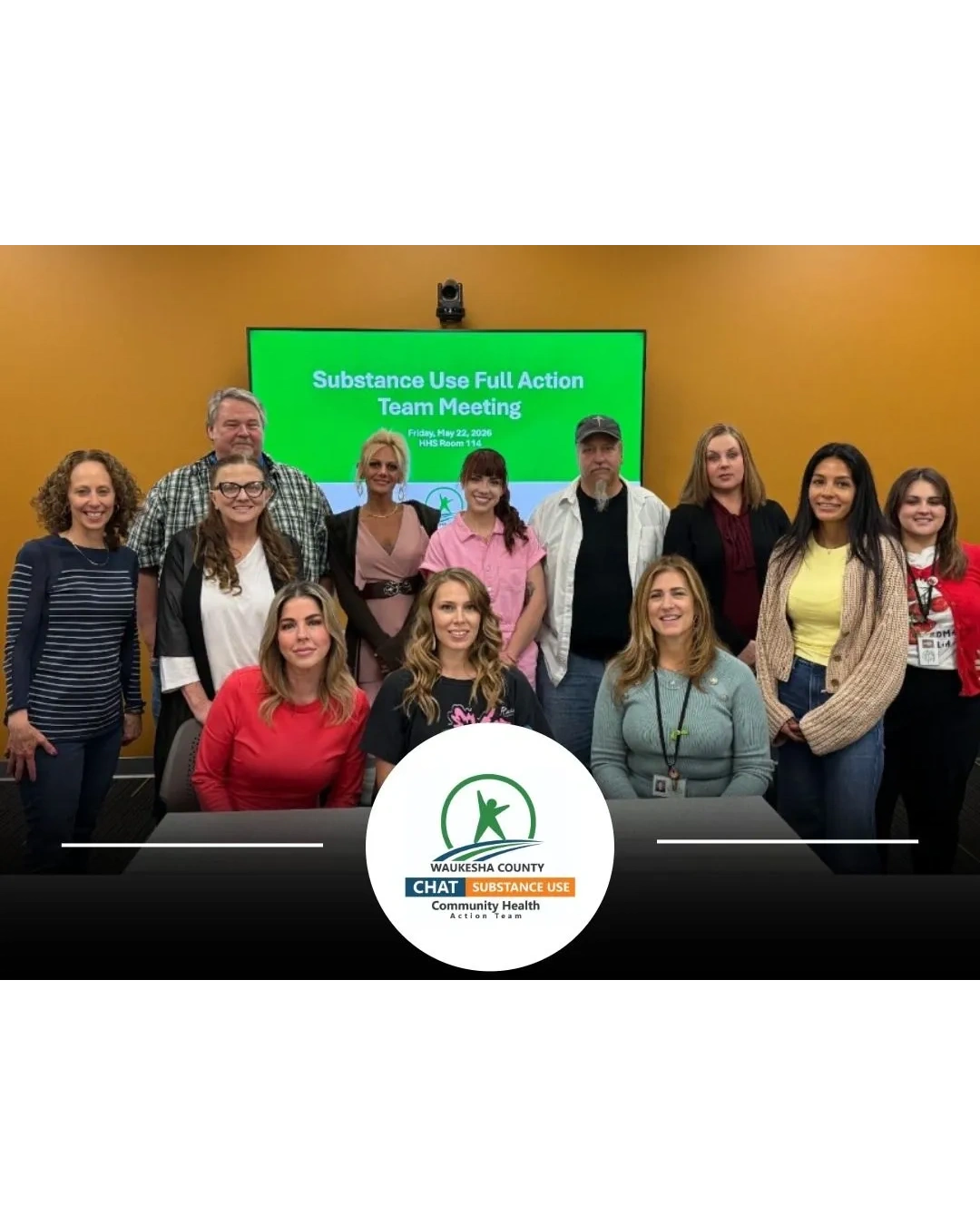
Team Highlights
Created an interactive simulation (Choose Your Own Adventure: Advancing Partnerships at the Intersection of Housing & Substance Use) to build empathy and systems understanding
Supported funding for a Peer Specialist position at WCS, initially funded by CHIP and extended through 2026
Contributed ongoing content to the SUAC LinkedIn page to support stigma reduction
Our Impact
This action team works with Waukesha County Public Health as part of the Community Health Improvement Plan (CHIP) to address substance use and the social factors that affect health
Works to reduce opioid-related deaths among Waukesha County residents ages 18–44 by expanding access to life-saving interventions
Examines and advances access to stable housing for individuals living with substance use disorder
Strengthens cross-sector partnerships to address substance use, housing instability, and recovery together
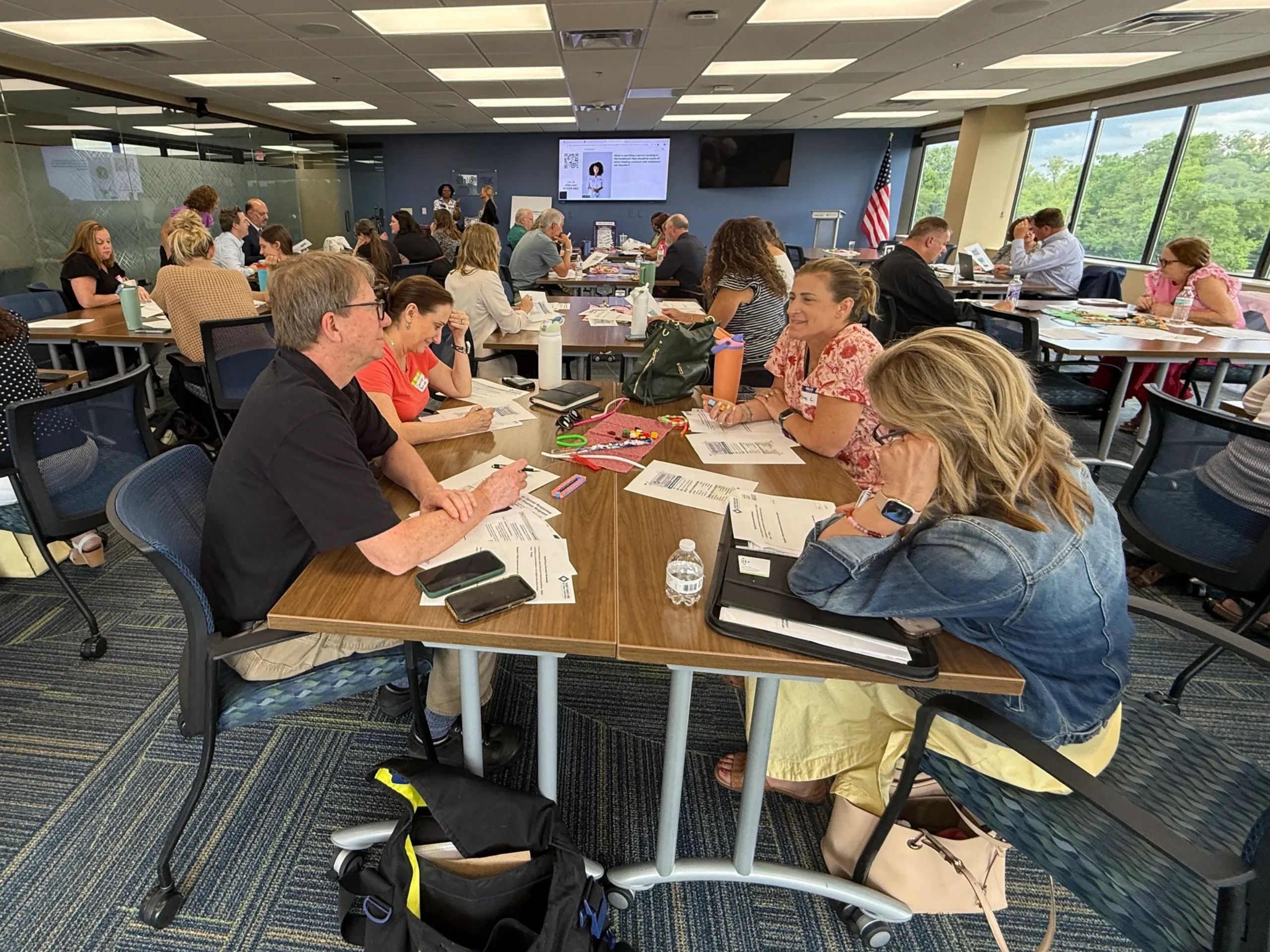
RECOVERY SUPPORT TEAM
Provide recovery support for both individuals and their families battling substance use disorder.
Action Team Highlights
Developed a Community Resource Guide in collaboration with community partners
Conducted focus groups with individuals in recovery to better understand needs and gaps in services
Partnered with Waukesha County HHS leadership to support recovery-focused efforts within the jail system
Support local recovery events and vigils
What the Team Does
Supports individuals during reentry and transition while incarcerated and after release
Works to ensure people with substance use disorder have access to life skills training and recovery supports
Continues to strengthen access to life-saving harm reduction strategies
stigma reduction team
This team is sunsetting going into 2027.
Create a culture of data-driven decision-making within the coalition and improve the accuracy, transparency, and effectiveness of substance use and overdose prevention initiatives.
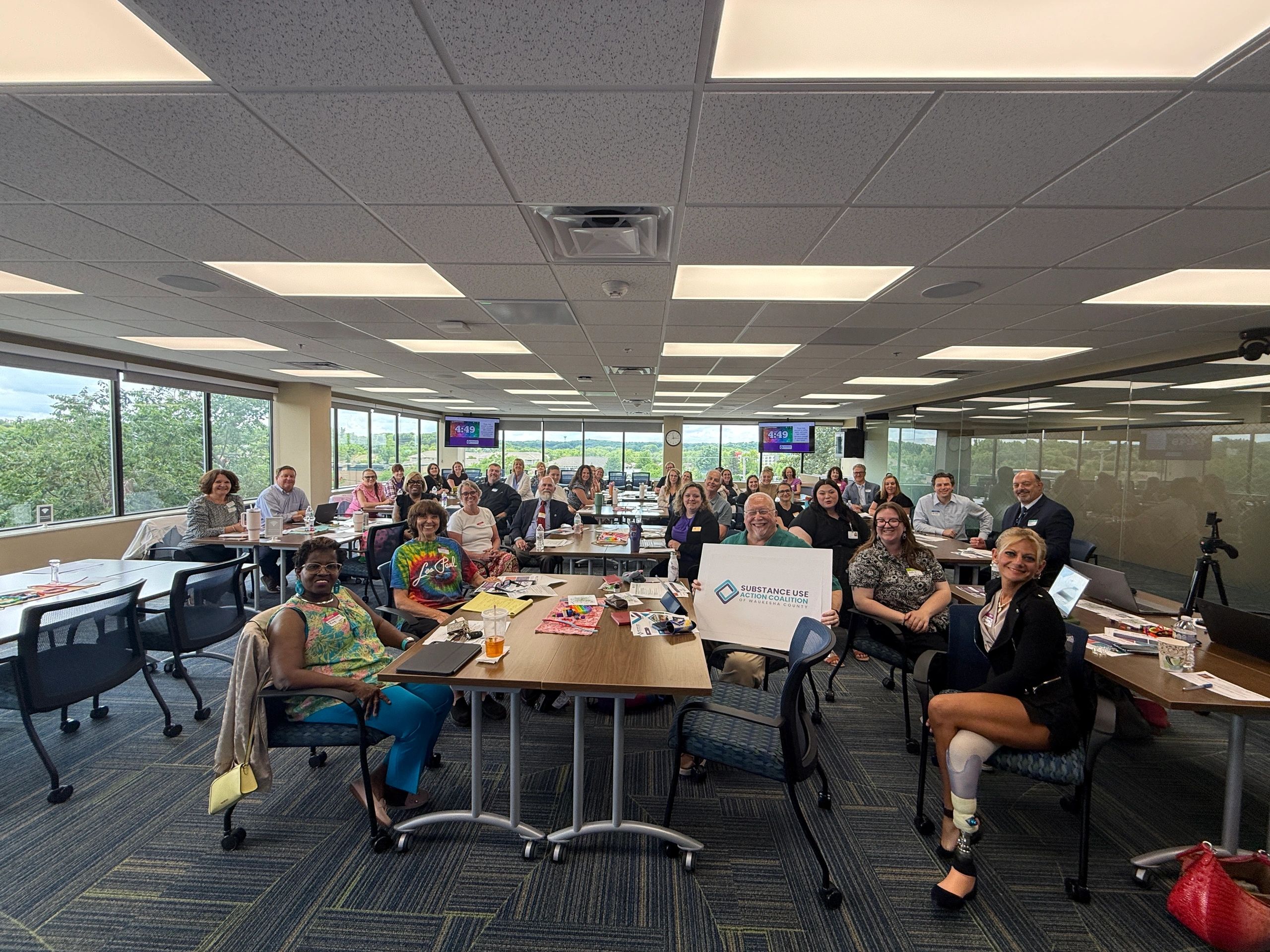
Action Team Highlights
Promotes stigma-reduction strategies across key sectors, including healthcare, law enforcement, and education
Guides speakers and presenters to use compassionate, person-first language when discussing substance use disorder
Encourages understanding and empathy for people impacted by substance use and addiction
What the Team Does
Developed a stigma-reduction Code of Ethics for guest speakers
Engaged law enforcement leaders in conversations about person-first language
Hosted national stigma reduction experts
Conducted a partner survey to assess stigma awareness and reduction strategies
Launched a LinkedIn page to advocate for stigma reduction and share educational content

art for a cause
The Substance Use Action Coalition is pleased to share Art for a Cause, a partnership between Waukesha County HHS and the Sharon Lynne Wilson Center for the Arts.
Through simple, guided art projects, this opportunity brings our community together to support individuals and families affected by substance use and substance-related loss with a message of care: You are not alone.
Our community is here for you.